How Do You? Featuring independent product and digital designer, Alejandro Mejias
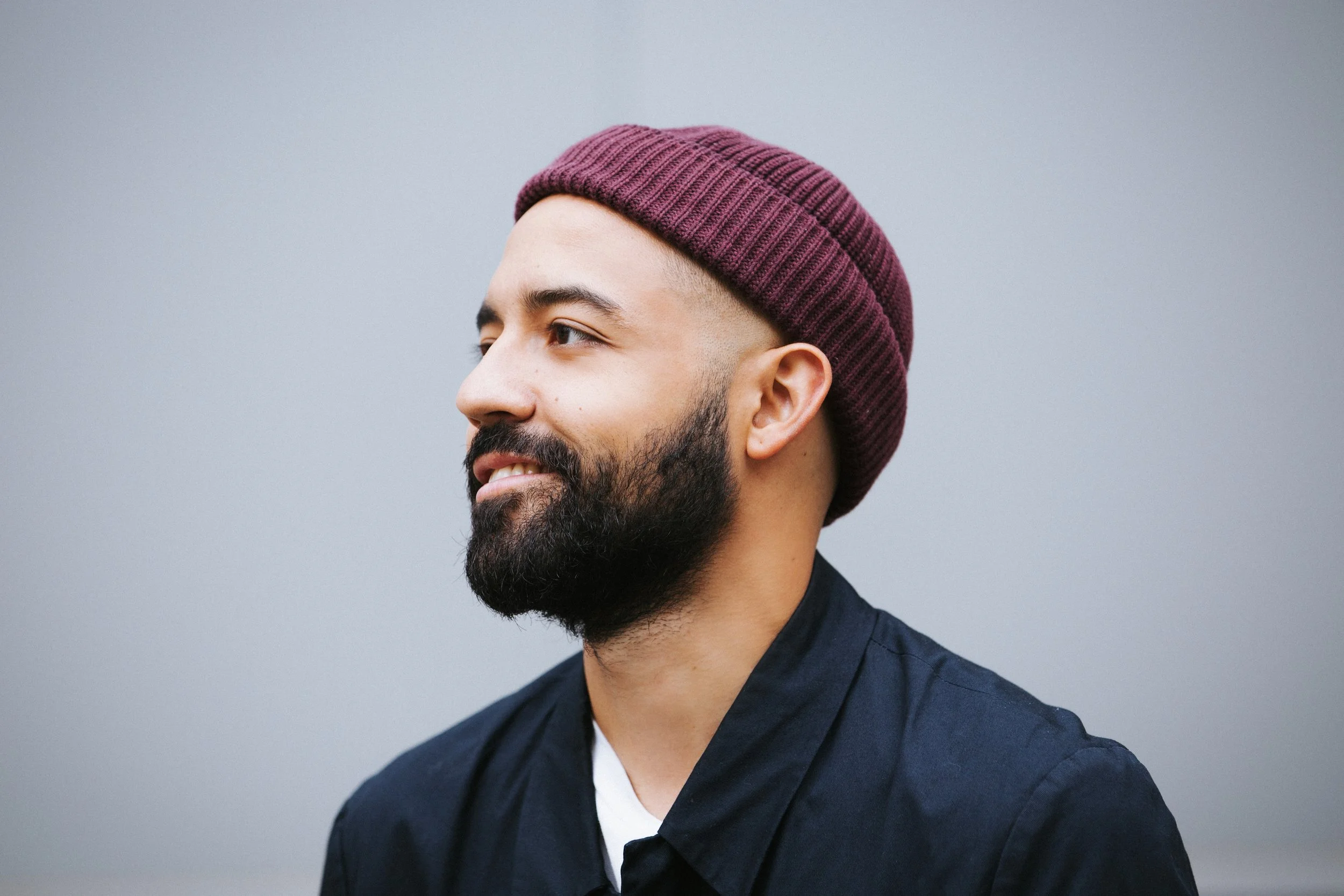
Alejandro Mejias ©
How Do You? is a new series of conversations with creative professionals from a wide-range of disciplines exploring their career and how they have navigated a life in design.
How do you position yourself as a designer?
I'm an independent product and digital designer working across websites, apps, and design systems, but at heart I'm a creative and visual person, something that for years put me at odds with myself.
I have the ability to think analytically about a design challenge, think of creative ways to solve it, and produce a solution with a more visual designer mindset obsessing about pixel details and craft.
It took me a while to realise this blend was actually my strength. Once I understood that, I changed the narrative and how I showed up. That's how I position myself today, not just as someone who can design, but someone who designs with intention, from problem to polish.
How do you find new work?
I sell and sell. Directly and indirectly.
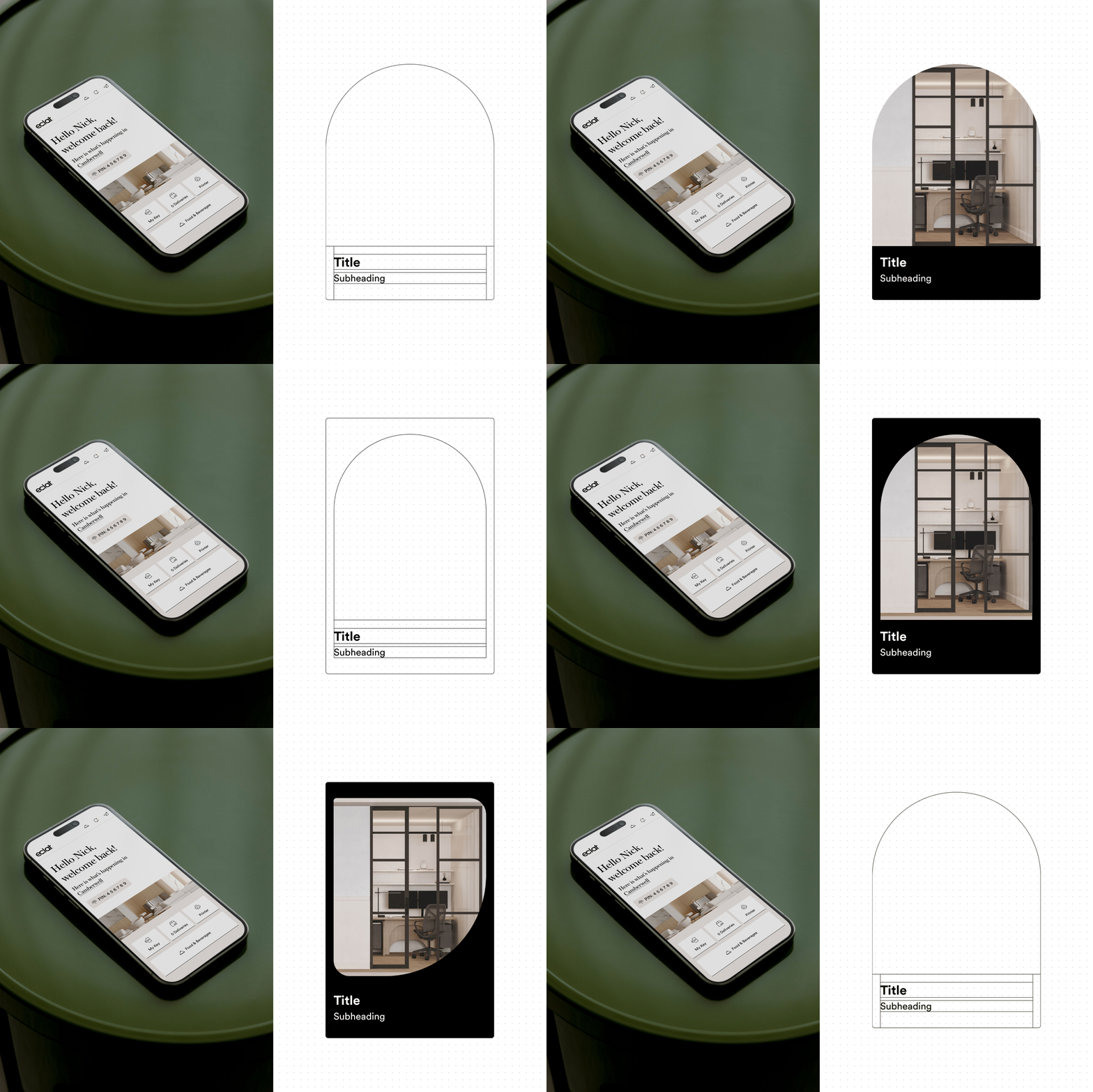
Directly, when I reach out to brands and agencies I see fit. Indirectly, through my brand. As an independent designer, I've learnt to think of myself as a brand, one that prospects interact with even without knowing me, and that's especially true for how new work finds me. I work on my own brand as much as I work on client work, because I never know how far it can reach. I keep my website up to date so a prospect who lands on it can see who I am and what I do, I regularly share what I'm working on on socials to stay front of mind in a competitive market, and above all, I make it easy for someone to reach out and chat.
I often come across designers whose portfolio is hard to find, or who are hard to reach. If you don't rely on finding new work as regularly as I do, you might not think about this as much, but to sell, you need to make the funnel easy for prospects, and make your brand your best salesperson.
Alejandro Mejias ©
How do you breakdown a brief?
Asking a lot of questions. Like a therapist, you ask with an open mind, and listen carefully.
The process, however, changes depending on the type of project. For direct clients, I co-create the brief. I find sites and apps can be Pandora's boxes if you're not clear on everything, so I want to remove assumptions and align with my client's needs. That means asking the questions before I even quote the project. I run a workshop where we discuss the goals, the audiences, the opportunities, the complexities, and the measures of success. It's a big FigJam board at the end. That's essentially the brief.
As part of an agency team, it's trickier, every team works differently, and the brief can range from clear to a bare bullet-point list. So I look for the gaps, what's been promised to the client, and what we still don't know. You're really dealing with two clients, the agency and the end client, and your job is to understand both parties' needs.
How do you get lucky?
I don't think I get lucky. Although, I work towards creating my own luck.
Sometimes I get incredible projects come my way, but I don't think they come out of nowhere, there's always something I've done before that led me to that point.
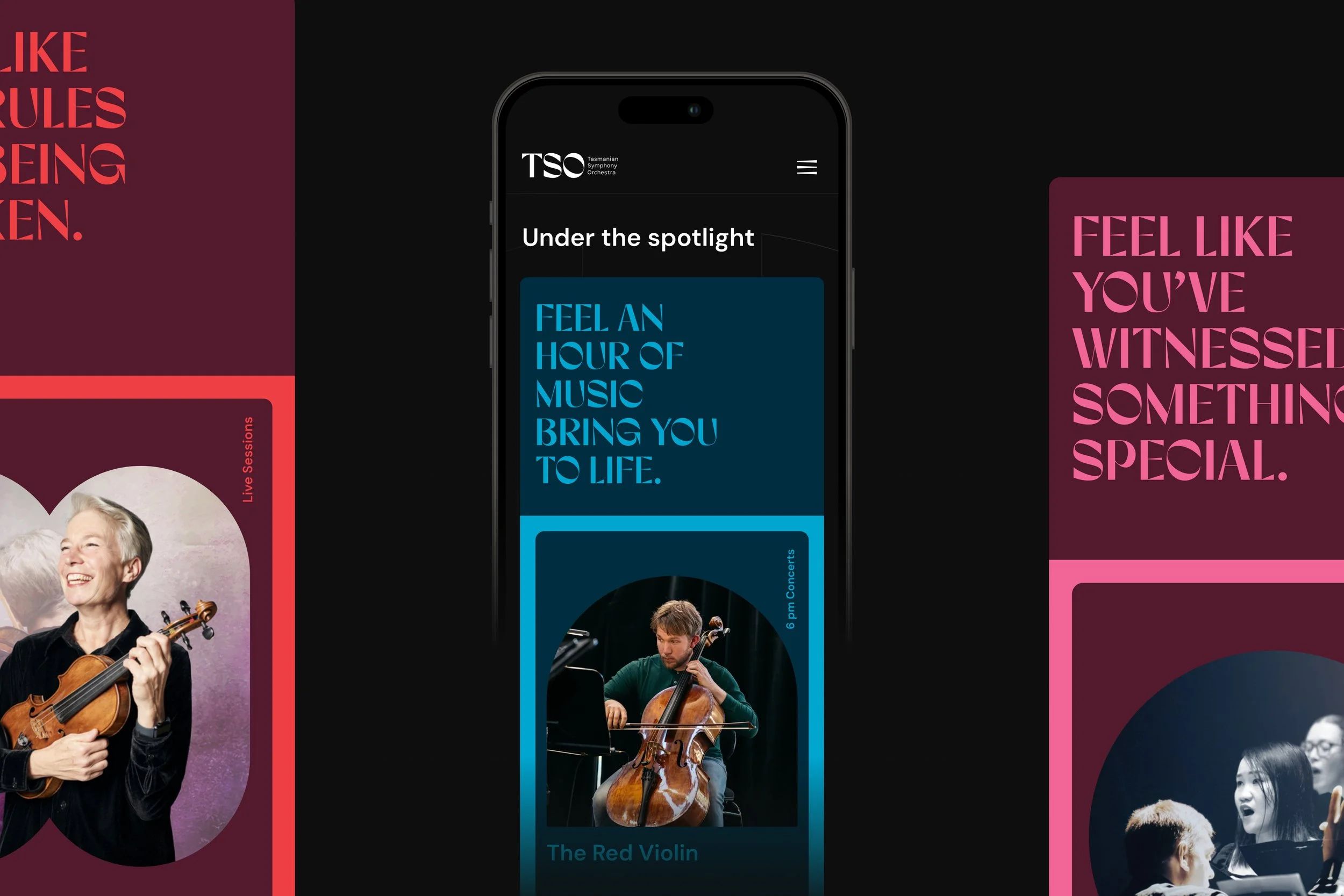
One of the best projects I've worked on came from someone I met while freelancing for a startup called Prophet. The gig was to design their website, and I got to work closely with the marketing lead, who saw my approach to the project firsthand and told me she had a side project outside of her job that needed a website too. We ended up working together, and the website has since won multiple awards. That wouldn't have happened if I hadn't landed the gig at Prophet in the first place, and done good work while I was there.
Alejandro Mejias ©
How do you manage difficult clients?
There are two kinds of difficult clients, in my opinion.
One is the client who's frustrated because the work isn't aligning with their vision, so nothing seems right. This happened to me early in my career, and I learnt it was on me for not aligning well to their vision in the first place. I don't deal with this anymore, I ensure clarity from the start by co-designing the brief with them before I even scope the project as I mentioned before.
Then there's the perfectionist. This one's also never satisfied, but it's a self-imposed issue on their end. These are tricky, but when I need to deal with this character, I do a lot more wrangling, reminding them of the bigger picture and the project goals. I also have a process for tracking decisions, what's been asked, what's changed, and why, so the client can see the progression, understand how decisions are trickling through, and I can push back when needed.
Fortunately, there are more good clients than difficult ones.
How do you deal with feedback? (good and bad)
I don't think there's good or bad feedback, it's all about calibrating the work.
When feedback comes my way, I see it as a medium to get closer to my client's field of vision, because even when you're on the same page, the work sometimes needs extra calibration.
Feedback is a sign of how much you're heading in the right or the wrong direction. I see it as compass, staying clear that it's not personal, or a measure of my work, but rather a method to stay focused on heading to the project’s north star.
How do you celebrate the small wins?
I don't do this enough.
I only celebrate the end of a project, not the small steps that took me there. That said, I often look back at previous work that's given me joy, it reminds me of what I'm capable of. It's like a little moment of celebration in itself.
Alejandro Mejias ©
Finally... How do you get to where you want to be?
Manifestation and accountability.
Every January, I write myself a letter with goals for my future self, addressed to the end of that same year. I talk about where I've been and what I've done. I write it as if it's already happened because I read it again on the 31st of December, and it reads back like a reflection of the year, almost like a vision board or a form of manifestation.
This guides my year across many areas of my life. I keep those goals close throughout the year, so I can check in with myself, and then at the end of the year I see how well I've done. It keeps me accountable, but it also feels nice to check in with yourself and see how much you've accomplished.