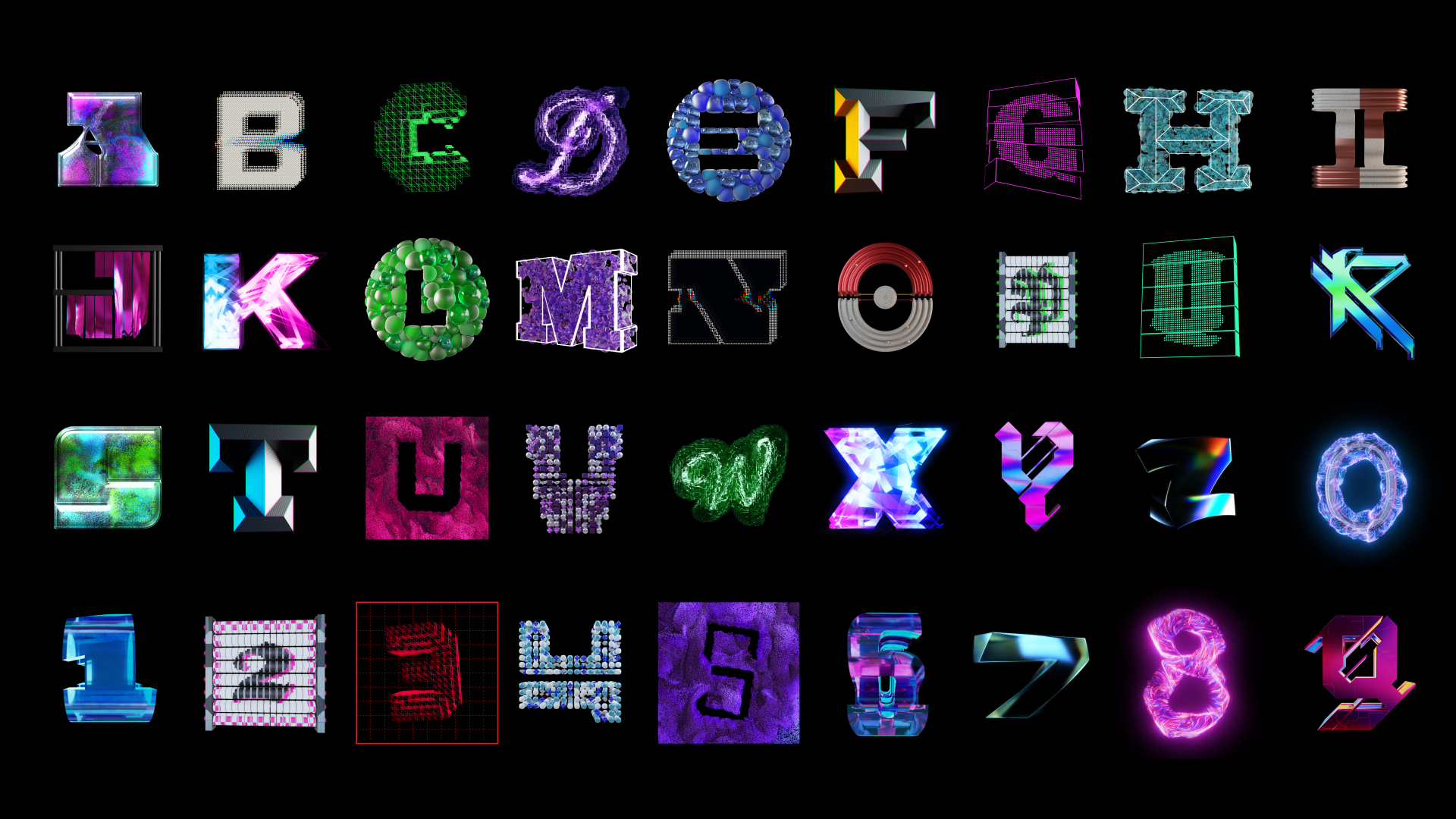
How Do You? Featuring Satnam Bansal, Senior Motion Designer at Random42
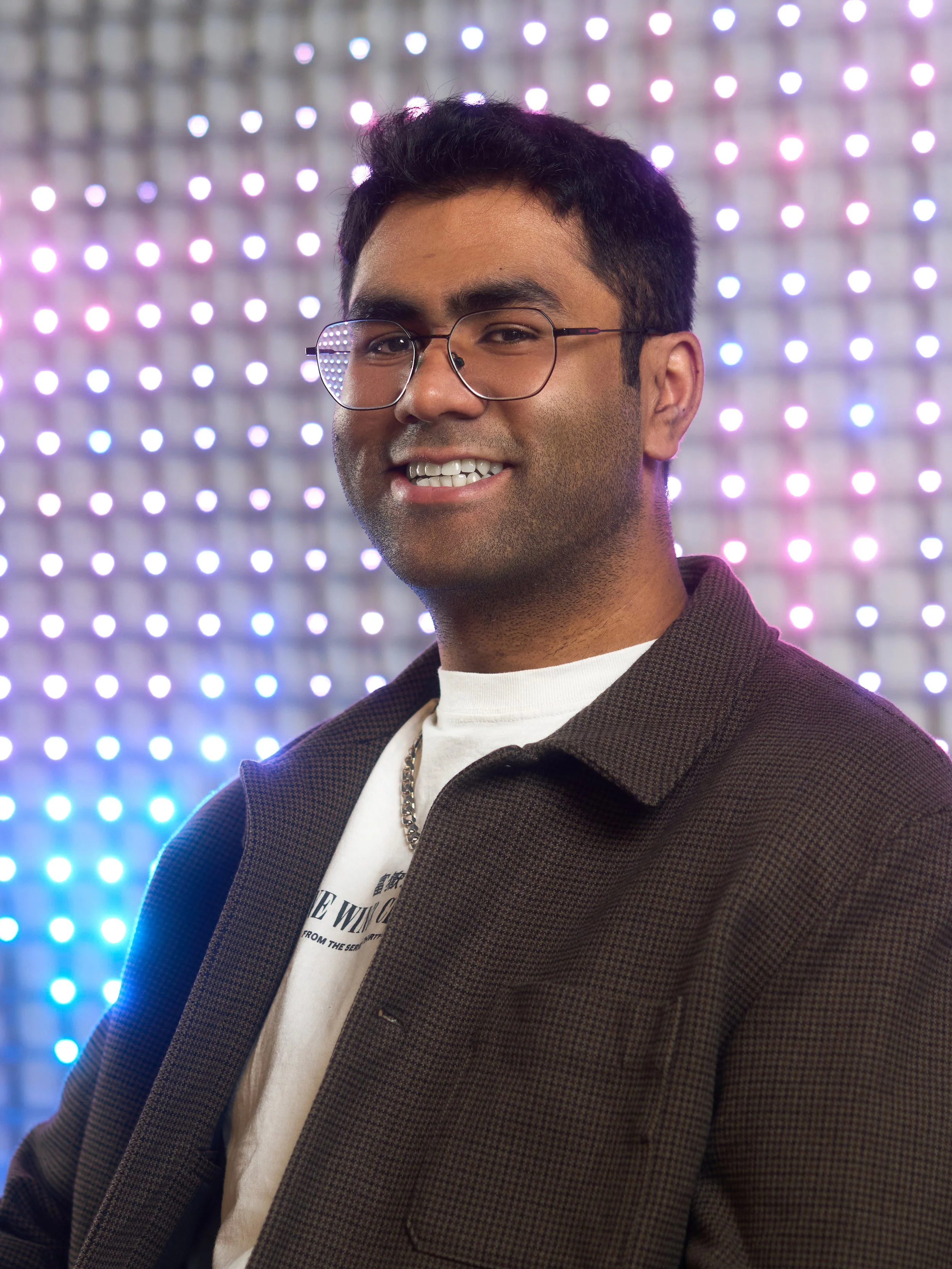
How Do You? is a new series of conversations with creative professionals from a wide-range of disciplines exploring their career and how they have navigated a life in design.
How do you position yourself as a designer?
I'm a generalist at heart.
Commercially, I am positioned as a motion and digital designer.
I entered the industry as a traditional graphic designer then developed my skill set to align more towards motion design. I also explore art and design through illustration and 3d which allows me to stay nimble and constantly keep my ears to the street and see what's going on.
How do you find new work?
In today’s world, social media platforms are the best way. Linkedin and Instagram are my platforms of choice.
Through Linkedin, I landed the role at my current agency. I use Instagram to build up my network through collaborations and spec work. This has led me to design for Hackney Wick FC and “Anime & Chill" community.
Strangely YouTube has also been very good at finding opportunities. I post tutorials and educational stuff here and there which has allowed me to speak at universities and to designers around the world.
Networks don’t mean much without something to showcase and a strong portfolio of what you want to do and what you can do is paramount.
How do you breakdown a brief?
In the sector I am in, we focus primarily on communicating complex scientific ideas while pushing visual clarity. This can be in both static and moving deliverables.
Like most designers, we brief the project, go through a process of creative ideation and research before committing to a route. Luckily for me, we have a team of PhD trained Scientists who are able to breakdown the complicated science into bite sized bits for us to design around.
Moodboards, client branding and client outcomes are all defined early on allowing us to build on design principles and utilize the story flow. It also helps use work within the lines of any constraints.
Each studio has their own philosophy. I have also found that each art director or design lead has their way of reading and interpreting a brief. Being agile towards a brief and trying to understand subtext is the best way to excel.
For new designers I would recommend running through the back log of Right Aligned’s video list.
I particularly found Mavens breakdown quite useful.

How do you get lucky?
Luck isolated is out of your control. It’s timing, leveraging a network and things outside of your control. This doesn’t mean you can’t manufacture luck.
Try to understand what you want to do, who you need to speak with and what you can do to make yourself the strongest in whichever field you choose. I have met designers who aren’t the most technically strong however have built careers out of leveraging project success, managing C-Suites and translating client jargon into visual outputs.
There is the idea of “10 years to be an overnight success”. All your hustling and grinding will go unnoticed until it can’t be ignored. At this point is where you have created your own “luck”.
Check out Virgil Abloh’s, Roy Sutherland’s and Ash Thorpe’s talks. All offer different perspectives and have been quite helpful in shaping what can be defined as success.
How do you manage difficult clients?
It depends on what the problem is. I try to understand what the cause of the issue is. Find out how we can read between the lines.
I try to go into client calls with an optimistic mindset but also try to load my sleeves with some contingencies. That could be technical tests from a motion side or aesthetic treatments. In the field I am in, we work heavily with science and medical clients who tend to be risk averse visually so it's our opportunity to try to add a little visual flair and shake up the flow.
How do you deal with feedback? (good and bad)
Feedback is part of the game. I don't mind if it kills my design however I try to see what worked and what didn't. Try to separate ego from the situation.
It’s also important to pick your battles. Sometimes, you will have clients who will push for generic or in some cases bad routes. It can be useful in some cases to explain why they wouldn't work. Framing this as a pivot or that you are building on the design can be a great deflection. Sometimes on the client side, we are massaging the egos of non creatives.
In the team I work with, we try to leverage our experience and expertise to provide peace of mind. One thing I would recommend is pay attention to scope and scope increases based on feedback. Rounds and submissions can be swallowed by bad feedback so it is best to consolidate feedback and try to keep your margins as high as possible especially when dealing with tricky clients.

How do you celebrate the small wins?
Genuine praise can go a long way.
Sharing the success of a project is the best way. Even if this is while the project is going. Teams or slack channels can be perfect to flag successes.
Verbal is one thing, however, I find written feedback can be more impactful. It gives designers and team members an anchor of when things went well. You know the tides in design aren't always plane sailing. Again this doesn’t have to be a formal appraisal, a teams message or email will suffice.
Awards are nice for the commercial side of the business but it doesn't really do too much for the day to day.
When I first started leading a team, I didn't actively praise people. Over time, I have seen the benefit in morale and also spurring on the team to push more and hone their skills. Navigating After Effects is one thing, managing a team is a complete different ball park.
Finally... How do you get to where you want to be?
My current goal is to become a lead designer in some capacity. I want to build up a team with growth and learning at the heart.
I have been actively involved in mentoring a bunch of people at different levels which has been symbiotically valuable. They learn from someone in the field and I refine my soft skills.
I had some amazing mentors and people that took a chance on me, so it’s only fair to pay it forward. In summary, I want to continue to be both a teacher and student.