Explore how Joshua Darby entered design, launched a studio and became an integral part of Process London
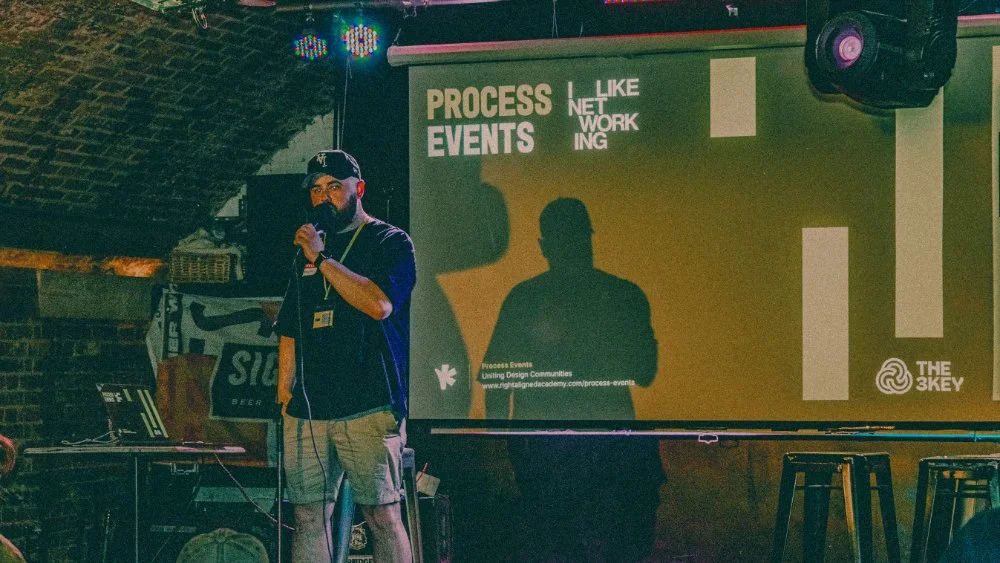
We are passionate about giving our community the space to share their story and to help lift-up diverse voices we will be speaking to those that make our work possible. In this interview we spoke to Joshua Darby about his unconventional career, the advice he’d share and why he wanted to co-host Process London.
Hey Josh! Tell us about your career journey so far?
It’s been anything but conventional.
I started out freelancing, building up my own client base, including work for a leading national retailer, before moving agency-side, then in-house, and eventually taking the leap to start my own studio, Question Marque, five years ago. Looking back, every stage has given me a different perspective on design, leadership and running a creative business.
What advice would you give to emerging talent looking to enter creative industries?
“Work hard & be nice to people” (shout out to Anthony Burill).
The creative industry is incredibly competitive, so my first piece of advice is to work harder than everyone else. Keep learning, keep making and keep pushing yourself to improve.
Secondly, build relationships. Get to know your colleagues, your bosses, your clients and people you meet through networking.
Creative industries have always been built on people. It’s often said that it’s who you know, not what you know, and while talent absolutely matters, being someone people enjoy working with goes a long way.
Finally, don’t try to be everything to everyone. Figure out what you genuinely enjoy, what you’re naturally good at, and build a portfolio around that. If there’s a studio you admire, create work that feels like it could have come from them.
You’re not copying their style, you’re demonstrating that you understand how they think, the kind of problems they solve, and that you’d be a great fit for the team.
On a day-to-day basis what are your main responsibilities?
I wear a lot of hats, literally and figuratively. One minute I’m speaking to a prospective client, the next I’m running a workshop, leading creative direction or getting stuck into the design itself. Because I run my own studio, I stay involved from the very first conversation right through to delivery, although exactly where I spend my time depends on the project and the team around it.
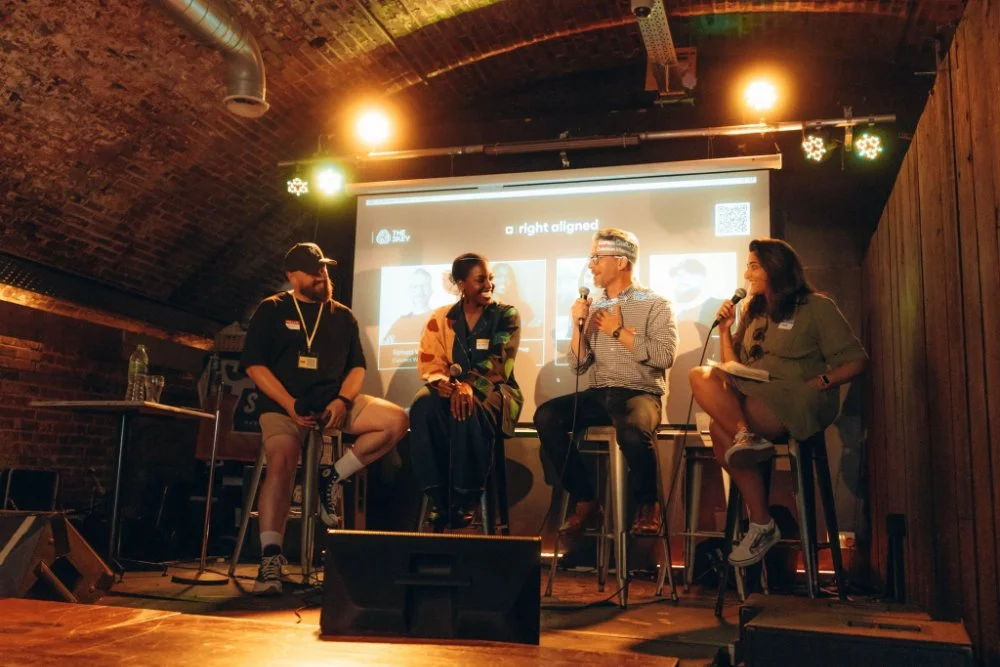
“The creative industry is incredibly competitive, so my first piece of advice is to work harder than everyone else. Keep learning, keep making and keep pushing yourself to improve.”
Is there one brand you would love to work with in future?
I’ve already ticked off one of my biggest bucket-list projects, if I could choose one more dream client, it would have to be Manchester United. As a lifelong supporter, combining football and design would be pretty special.
How did you first hear about Process Events?
I actually knew Process before it was Process. I’ve followed the journey from the Coventry Design Festival days, when it was originally intended to be a regional event before COVID forced everyone to rethink what it could become.
Watching it grow into the community it is today has been incredible.
What motivated you to start hosting in your city?
Having seen the community grow from the beginning, it felt like a natural way to give something back. Process is the kind of community I wish I’d had when I was starting out.
Design can feel like a difficult industry to break into, so if I can help create a welcoming space where people can learn, connect and feel part of something, that’s hugely rewarding.
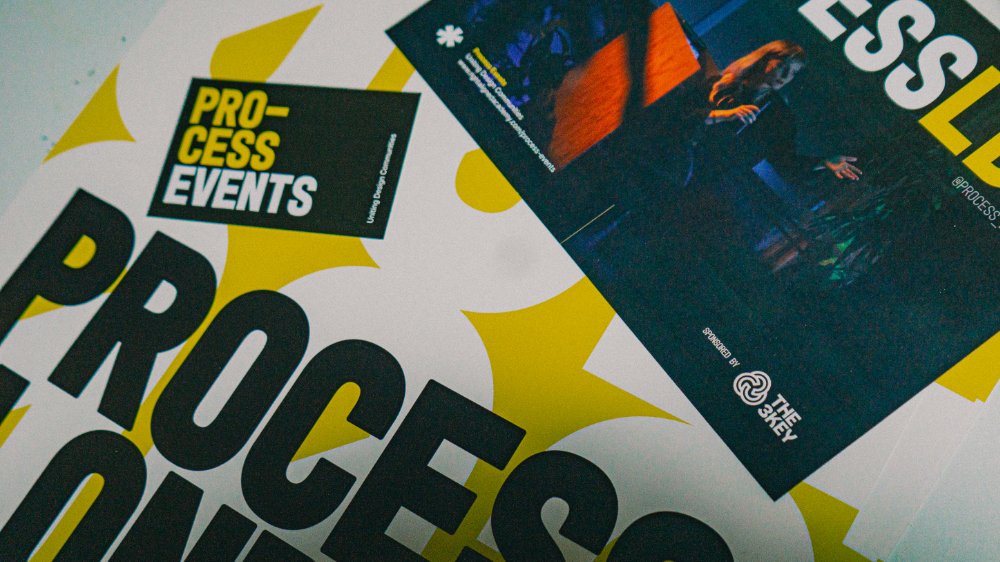
“There are a lot of incredibly talented people competing for fewer opportunities, particularly at junior level. That’s why building a network and becoming part of the wider creative community has never been more important.”
How does it make you feel when you are in a packed room full of like-minded people?
Motivated and, if I’m honest, reassured.
The industry’s going through a challenging period, and it’s easy to feel isolated. Seeing a room full of people who are willing to share ideas, support each other and keep pushing the industry forward reminds you why community matters so much.
Have you started to see the impact your hard work is having on the community?
Without a shadow of a doubt. London has grown into a really close-knit community, and the feedback has been overwhelming. We’ve created a space where people can genuinely connect with each other, with our speakers and with the wider industry.
Having an incredible venue in Signature Brew really helps create that relaxed atmosphere too. Something I’m equally proud of is giving people a platform. We’ve had speakers share perspectives that might not otherwise have been heard, and I think that’s what keeps every event fresh, relevant and valuable for everyone who comes along.
Are there any common challenges attendees are experiencing?
The biggest one is still getting a foot in the door. There are a lot of incredibly talented people competing for fewer opportunities, particularly at junior level. That’s why building a network and becoming part of the wider creative community has never been more important.
Where do you think the design industry will be in ten years?
I actually think it’ll be in a really strong place.
The way people enter the industry has already changed, and I imagine that will continue to reshape what it means to be a designer over the long term.
AI will inevitably become an even bigger part of our workflows, but I still see it as a tool rather than a replacement for creativity.
The best work will always need someone with taste, experience and expertise behind it. AI is only ever as good as the person sitting at the other end of the computer, it’s our judgement, creative thinking and ability to solve problems that will continue to set great designers apart.
I think that the human element will become even more valuable, not less.
Follow Studio Question Marque